Bringing STEM, culture, creativity & community together
A U.S.-based 501(c)(3) nonprofit dedicated to transforming the lives of children, youth, families, and educators through culturally grounded, STEM-enriched, arts-integrated, and community-centered learning — across the United States, Ghana, and Liberia.
Our U.S. programming brings this mission directly into communities through hands-on STEM, food and cooking science, creative arts, cultural storytelling, literacy, engineering, technology, and community-based learning.
Project 2000 International partners with children, youth, families, educators, and communities to provide culturally grounded, STEM-enriched, arts-integrated, and community-centered learning experiences.
Through exploration, storytelling, cultural traditions, creative expression, family and community engagement, and hands-on learning, we nurture cultural identity, creativity, confidence, critical thinking, problem-solving, leadership, and a lifelong love of learning.
To cultivate confident, compassionate, creative, and culturally rooted children and youth who are prepared to think critically, create boldly, solve problems, lead, and thrive in their communities and in a global society.
Our delivery strategy
Our long-term vision is a dedicated Culture & STEM Mobile Learning Lab. We're not waiting for the vehicle to begin the work — until it's acquired, we bring the program to you in person.
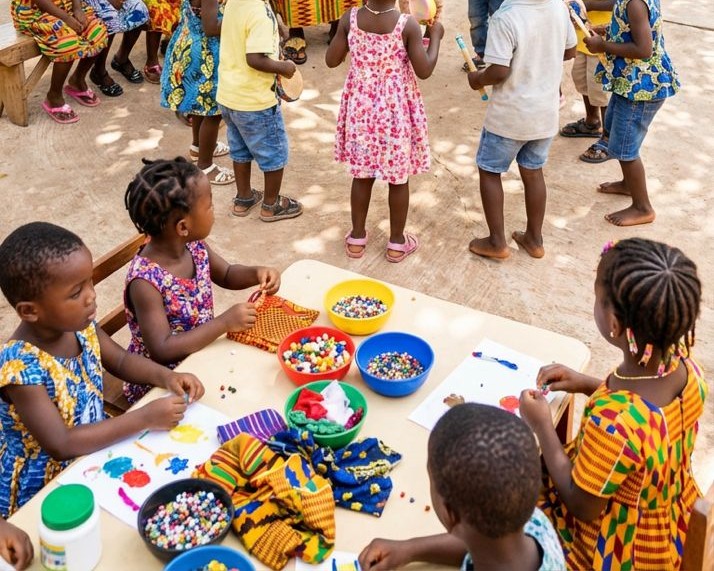
Our educators and cultural teaching partners currently bring Culture + STEM experiences directly to schools, childcare programs, after-school programs, and community spaces — transporting materials and facilitating hands-on experiences at schools, childcare centers, preschools, after-school programs, libraries, community centers, neighborhoods, youth programs, cultural organizations, and community events.
We're working toward acquiring and equipping a traveling STEM + Culture learning laboratory, designed for small-group, hands-on experiences in cooking & food science, engineering, math, science, technology, creative arts, literacy, and cultural storytelling and exploration — not yet in service today.
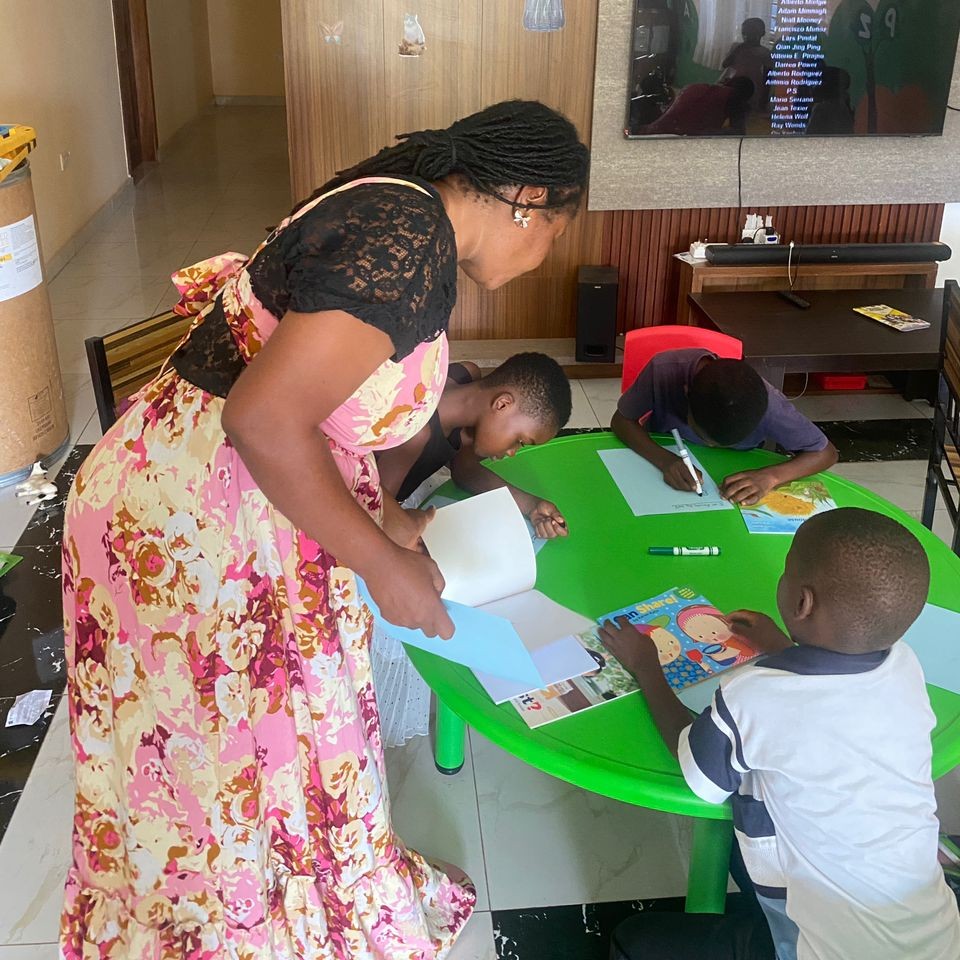
Our Vision For Signature US Programs
Every food has science. Every culture has knowledge. Every child can be an innovator.
Our Culture & STEM Mobile Learning Lab initiative brings hands-on STEM, cultural learning, creative arts, literacy, and storytelling directly to children and youth. Our approach transforms everyday experiences — including food, cooking, family traditions, cultural stories, art, nature, building, and community life — into opportunities for scientific discovery.
In interactive small-group experiences, children and youth explore the science, technology, engineering, mathematics, history, art, literacy, and culture behind food and cultural traditions. Cooking becomes more than preparing a meal — it becomes a laboratory for curiosity, STEM discovery, literacy, creativity, cultural identity, and problem-solving.
Learning through food & culture
Food provides a powerful connection between STEM, culture, family, and everyday life. Children and youth may:
We want children to recognize that STEM doesn't exist only in labs and textbooks — it's already present in our kitchens, homes, cultures, traditions, and communities.
Our learning framework
Every Project 2000 International learning experience follows our culturally grounded instructional framework.
STEM & inquiry — children investigate materials, ingredients, and phenomena through hands-on discovery.
Culture & community — children connect discoveries to family, history, language, and real life.
Innovation — children cook, build, design, experiment, and develop solutions.
Literacy & arts — children communicate through writing, storytelling, art, and media.
Identity — children consider what they learned and how it connects to who they are.
A Culture & STEM experience
"What can we discover about corn?"
Children examine corn kernels, compare characteristics, grind corn, measure ingredients, make predictions, and observe what happens when ingredients are combined and heated — investigating the science and math involved.
A cultural educator then introduces histories, traditions, farming practices, stories, and foods associated with corn, comparing how it's grown, prepared, and eaten in Ghana, Mexico, the United States, and beyond.
Children prepare a culturally relevant food while practicing measurement, sequencing, observation, cooperation, and problem-solving — then write or dictate a story, create artwork, document the experience, interview a family member, or present what they discovered.
Learning with our communities
Project 2000 International believes communities themselves are rich sources of knowledge. We engage cultural educators and community knowledge holders — cooks, artists, storytellers, educators, farmers, scientists, makers, and craftspeople — to facilitate authentic learning experiences connected to their expertise and cultural traditions.
Rather than expecting one educator to represent many cultures, we build relationships with people who can bring authentic cultural knowledge into children's learning. Children don't simply learn about cultures — they learn with and from people connected to those cultures.
Cultural storytelling & children's voices
Children and youth are encouraged to research, write, illustrate, record, preserve, and share cultural stories — interviewing parents, grandparents, elders, and community members about:
What they discover becomes books, cultural stories, recipes, artwork, photography, oral histories, videos, presentations, and digital stories. Children become more than recipients of cultural knowledge — they become storytellers, creators, innovators, and keepers of cultural knowledge.
Summer STEM + Culture Camps
During the summer, Project 2000 International will offer STEM + Culture Camps providing immersive opportunities for children and youth to learn through:
We may also engage specialized educational partners, including Nexplore, to provide additional enrichment during summer programming — complementing our culturally grounded CORE framework and signature Food + Culture + STEM model.
We partner with schools, childcare centers, after-school programs, libraries, community organizations, neighborhood groups, cultural organizations, youth programs, and summer programs.